
The Role of Luck in Gambling
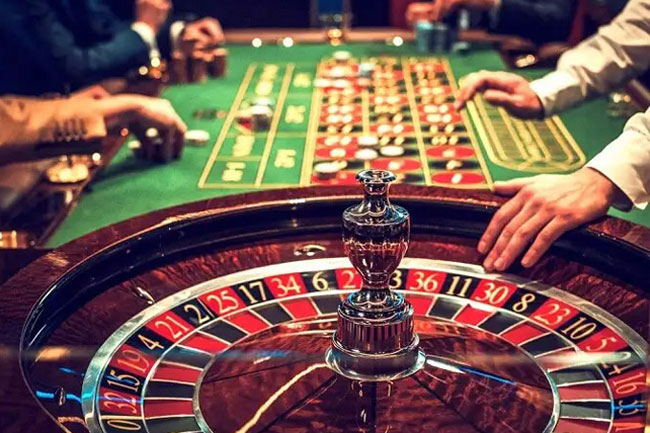
Luck is often regarded as a central element in the gambling world, where players cling to the belief that fortune can be harnessed. In casinos, the odds are usually crafted to favor the establishment, making luck a crucial factor that can sway outcomes unpredictably. For example, when a player spins the roulette wheel, they may feel that their chosen numbers or colors will bring them good fortune. Many enthusiasts believe that services like bossservices.co.uk can provide valuable insights into maximizing their chances. However, the reality is that these outcomes are purely random, determined by the principles of probability. This randomness adds to the excitement of gambling, as each throw of the dice or shuffle of the cards presents a new opportunity for luck to take center stage.
Yet, it is vital to understand that luck is not a constant and cannot be relied upon as a strategy for consistent success. Although tales of individuals hitting jackpots on their first attempt are captivating, they represent rare occurrences rather than the norm. Statistically speaking, casinos are structured with a house edge designed to ensure long-term profitability for the establishment, indicating that luck alone cannot secure ongoing victories. Instead, it serves as a transient companion throughout the highs and lows of gambling experiences.
Furthermore, the concept of luck can often lead to misunderstandings about skill-based games versus games of chance. Take poker, for example, frequently deemed a game dominated by luck; it actually demands a significant amount of strategy, skill, and psychological insight into opponents. The relationship between chance and skill complicates the assertion that luck is the only determinant of success. Thus, while luck holds a notable position in gambling, blending it with knowledge and experience is crucial for achieving better long-term results.
The Psychological Aspect of Luck
The belief in luck has profound psychological implications that can influence how gamblers approach their gaming sessions. Many players develop rituals and superstitions, such as wearing certain clothing or carrying tokens that they associate with positive outcomes. This faith in luck not only enhances their gaming experience but also makes gambling feel more enjoyable, diverting attention from the potential for loss. When players feel lucky, they are often inclined to take greater risks, which can yield both substantial wins and significant losses, depending on the outcomes that follow.
Psychological research has shown that a belief in luck can significantly shape decision-making processes. Gamblers who perceive themselves as lucky are more inclined to engage in high-stakes games or play more frequently, driven by the thrill and optimism of their supposed good fortune. This tendency explains why some players leave casinos with significant winnings, while others may find themselves in a cycle of chasing losses, fueled by the hope that luck will eventually favor them. The emotional highs and lows of gambling are closely intertwined with this perception of luck, emphasizing the complex nature of its influence.
Moreover, this psychological dependence on luck can lead to what is known as the “gambler’s fallacy,” a belief that past outcomes can influence future ones. For instance, if a player has lost several rounds in a row, they might convince themselves that a win is imminent, despite the independent nature of each game. Recognizing these psychological biases is crucial for anyone who plans to engage in casino gambling, as it reveals how luck impacts not only outcomes but also player behavior and risk management strategies.
The House Edge and Its Implications
The house edge is a pivotal concept that sheds light on how luck functions within the casino environment. Every game is designed to provide the casino with a statistical advantage, ensuring that over time, the establishment will generate more revenue than it pays out in winnings. This built-in advantage means that while players may enjoy fleeting moments of good luck, the house edge will ultimately prevail over the long haul. For example, in games like blackjack or slots, the odds are meticulously calculated to favor the casino, making it essential for players to grasp how luck interacts with these probabilities.
Moreover, the excitement and unpredictability inherent in casino games can mislead players into believing that luck is more significant than it truly is. The adrenaline rush associated with spinning a slot machine or rolling dice can overshadow the mathematical realities behind these activities. Players must understand the limitations of luck and recognize that successful gambling requires a combination of luck and informed strategy. Knowledge of game rules, odds, and effective bankroll management can significantly enhance a player’s overall success.
Understanding the house edge is also a critical aspect of responsible gambling, as players should acknowledge that relying solely on luck is not a sustainable profit strategy. By setting realistic expectations and framing their gaming experiences with an understanding of the odds, players can engage in gambling in a way that maximizes enjoyment while minimizing the risks associated with chasing bad luck. Ultimately, an approach that harmonizes the thrill of luck with informed decisions is vital for anyone participating in casino games.
When Luck Can Be a Double-Edged Sword
While luck can lead to exhilarating wins, it can also have dangerous consequences if not managed with caution. For some players, a stroke of good fortune can create a misleading sense of invincibility, resulting in reckless behavior and considerable financial losses. This tendency is particularly pronounced in high-stakes environments where players, encouraged by recent victories, may wager amounts beyond their financial means. The thrill of winning can obscure the inherent risks, leading many to find themselves in precarious situations when their luck inevitably shifts.
On the flip side, a string of bad luck can have a demotivating effect on players, often resulting in a state known as “tilt” in games like poker. When players endure consecutive losses, they may become emotionally charged, leading to impulsive decisions and further losses. The interaction between luck, emotions, and decision-making creates a delicate balance that players must navigate judiciously. Acknowledging the psychological impact of luck is essential for maintaining a healthy relationship with gambling.
Thus, while luck can create unforgettable moments in gambling, it also serves as a double-edged sword, capable of yielding both thrilling successes and significant setbacks. Players must learn to differentiate between luck and strategy while remaining grounded in their approach to gaming. Developing an awareness of personal limits and understanding luck’s role can enhance enjoyment while reducing the risks associated with casino gambling.
Final Thoughts on Luck and Success at the Casino
In conclusion, luck undoubtedly plays a role in shaping outcomes at the casino, but it should never be regarded as a guaranteed pathway to success. The unpredictable nature of luck can provide an exhilarating experience for players, but it also brings inherent risks that must be managed. To effectively navigate the intricate world of casino gaming, players should adopt a balanced perspective, recognizing that while luck can lead to unexpected wins, informed decisions and a solid understanding of the games are essential for cultivating a sustainable gambling approach.
Moreover, practicing responsible gambling is critical for fostering a healthy interaction with luck. Players should establish clear boundaries and engage in gaming with realistic expectations. This proactive stance allows individuals to savor the excitement of luck without falling victim to its potential pitfalls. Casinos thrive on player engagement, and comprehending the interplay between luck and strategy can contribute to a more fulfilling experience.
Ultimately, the allure of luck is undeniable in the casino realm, yet it is vital to embrace a comprehensive approach that combines skill, knowledge, and responsible gaming practices. By understanding the nuances of luck and its influence, players can find enjoyment and perhaps even success, all while maintaining a healthy relationship with the unpredictable nature of gambling.